
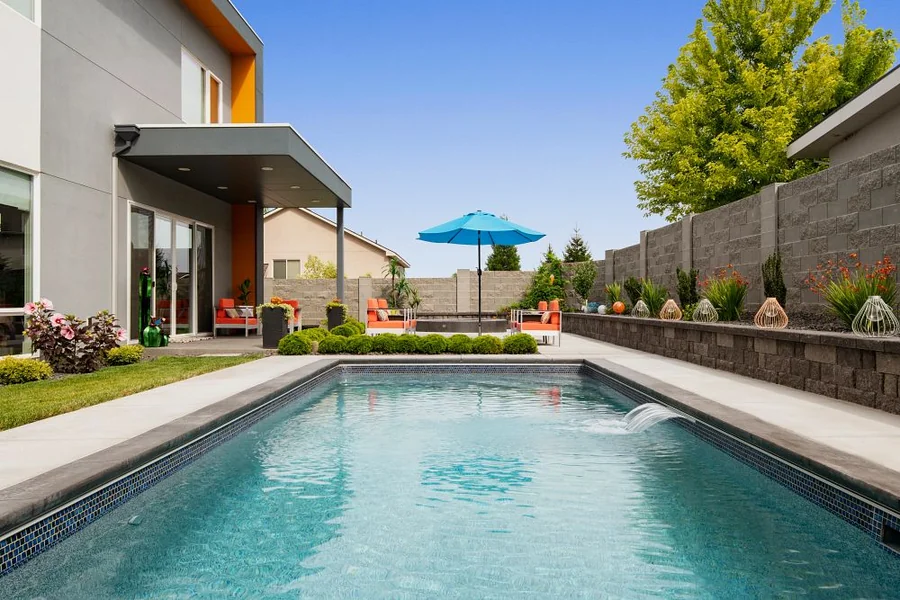
Old concrete pools can be a beautiful centerpiece for any backyard—but over time, they inevitably show signs of wear and tear. Cracks, stains, outdated finishes, and inefficient systems can turn what was once a relaxing oasis into a costly burden. This is where pool renovation becomes essential. With the right approach, you can restore, modernize, and even enhance your pool to meet today’s standards of comfort, efficiency, and design.
Why Pool Renovation Matters
Concrete pools are known for their durability, often lasting 30 to 50 years. However, even the strongest structures require maintenance. According to industry estimates, over 60% of residential pools older than 20 years need some form of renovation to maintain safety and usability.
A well-planned pool renovation does more than fix visible issues. It improves structural integrity, reduces maintenance costs, and increases property value. In fact, homeowners can see up to a 7–15% increase in home value after upgrading their outdoor living space, including the pool.
Common Problems in Old Concrete Pools
Before diving into a renovation project, it’s important to understand the typical issues associated with aging concrete pools:
1. Cracks and Structural Damage
Concrete naturally expands and contracts over time, leading to cracks. While small surface cracks may seem harmless, deeper structural cracks can cause leaks and long-term damage.
2. Worn-Out Pool Finish
The plaster or finish of a pool usually lasts 10–15 years. After that, it may become rough, stained, or discolored, making the pool less appealing and uncomfortable to use.
3. Outdated Design
Older pools often feature outdated shapes, tiles, and colors. A renovation allows you to modernize the look with sleek finishes, updated coping, and stylish water features.
4. Inefficient Equipment
Old pumps, filters, and heaters consume more energy and require frequent repairs. Upgrading to energy-efficient systems can reduce energy usage by up to 30%.
Key Steps in a Successful Pool Renovation
A successful pool renovation involves careful planning and execution. Here are the essential steps:
Inspection and Assessment
Start with a thorough inspection to identify structural issues, leaks, and equipment problems. Hiring a professional ensures that no hidden damage is overlooked.
Surface Preparation
This step involves draining the pool, removing the old finish, and repairing cracks. Proper preparation ensures that new materials adhere well and last longer.
Resurfacing Options
Resurfacing is one of the most important aspects of pool renovation. Popular options include:
- Plaster: Affordable and classic, lasting around 10 years
- Pebble finishes: Durable and slip-resistant, lasting 15–20 years
- Quartz finishes: A balance of durability and aesthetics
Upgrading Pool Features
Modern renovations often include:
- LED lighting systems
- Waterfalls or fountains
- Built-in seating or tanning ledges
- Smart pool automation systems
These features not only enhance aesthetics but also improve functionality.
Equipment Replacement
Replacing outdated equipment with energy-efficient models can significantly lower operational costs. Variable-speed pumps, for example, are now widely recommended for their efficiency and quiet performance.
Design Trends in Pool Renovation
Today’s pool renovation projects focus heavily on style and sustainability. Some of the most popular trends include:
- Natural aesthetics: Earth-toned finishes and stone elements
- Infinity edges: Creating a seamless visual effect
- Eco-friendly systems: Solar heaters and saltwater systems
- Minimalist designs: Clean lines and modern shapes
These trends reflect a growing desire for pools that blend seamlessly with outdoor living spaces.
Cost of Pool Renovation
The cost of pool renovation varies depending on the scope of work. On average:
- Basic resurfacing: $5,000 – $10,000
- Mid-range renovation (tiles, coping, minor upgrades): $10,000 – $25,000
- Full renovation with redesign and new features: $25,000 – $50,000+
While these costs may seem high, investing in renovation can extend your pool’s lifespan by 15–20 years, making it a cost-effective long-term solution.
Benefits of Renovating an Old Concrete Pool
Choosing pool renovation over replacement offers several advantages:
- Cost savings: Renovation is typically 30–50% cheaper than building a new pool
- Customization: Tailor the design to your current lifestyle
- Improved safety: Fix structural issues and update safety features
- Energy efficiency: Lower utility bills with modern systems
Additionally, a renovated pool creates a more enjoyable and inviting environment for family and guests.
Tips for a Smooth Pool Renovation Project
To ensure a successful outcome, keep these tips in mind:
- Set a clear budget: Include a contingency fund of at least 10–15%
- Choose experienced contractors: Look for proven expertise in concrete pool renovation
- Plan for downtime: Renovations typically take 2–6 weeks depending on complexity
- Prioritize upgrades: Focus on structural repairs before aesthetic improvements
Proper planning can help avoid delays and unexpected costs.
Final Thoughts
Aging concrete pools don’t have to be a liability. With the right pool renovation strategy, you can transform an outdated structure into a modern, efficient, and visually stunning feature. Whether you’re addressing structural issues, upgrading equipment, or redesigning the entire space, renovation offers a practical and rewarding solution.
Investing in pool renovation not only enhances your backyard but also adds long-term value to your property. By staying informed and working with professionals, you can ensure that your renovated pool remains a source of enjoyment for years to come.